Most of my clients are so excited to go house hunting when they are ready to buy a home in Longmont. The idea of finding the “perfect” home is just so alluring. It’s easy to get so excited that you want to overlook red flags. However, doing so can be a costly mistake. It’s my mission to protect my clients and hold their goals in focus, so they get through the process with a right-fit home. I like to say that a right-fit home is a home that loves you back, not just a “dream home” that’s on-trend and sweeps you off your feet for a few months.
Remember: Ignoring red flags, or being pulled in by the allure of a shiny kitchen can cost you!
Also, remember you will not be alone in this. I am going to be right by your side and will push back if I think you’re off track. You don’t want a home you’ll regret buying, and I don’t want that for you either.
Some homes might seem good at first sight, but these red flags need to be considered.
1. Lack of general maintenance
Don’t ignore signs that a home hasn’t been properly taken care of for many years. That means that major issues – such as water damage — could be lurking. (It does not mean it’s a hard pass, just proceed with caution. My first home was in awful visual shape, but was still structurally sound.)
A note about fixer-uppers: Some issues are typical for the age and location of your home and not a sign of poor construction. You want to steer clear of a home that has too many issues but isn’t really that old. That’s especially true if the construction just doesn’t seem solid or sound.
2. Do-it-yourself additions or any DIY work that isn’t up to code
If the addition looks awkward and cheap, it probably is. I get MAJOR red flag vibes in most flipped homes. Some do a great job, others do the proverbial ‘lipstick on a pig.’ I’m picky enough that I can generally tell the difference. It’s always a good idea to check the permit history on a property, but keep in mind that permitting agencies have a wide latitude in whether or how they conduct inspections. Always use your own judgement. Step back and consider if the remodeled or renovated areas look sloppy or hastily finished. This article provides an overview to guide you.
3. Termite infestation
Even with our relatively dry climate, termites can wreak havoc on a home. Few realize there are termites in Colorado. There are. In fact, I’ve personally seen active termite infestations in homes listed for sale in Longmont. While touring the home and during the inspection, check for conditions that increase the risk of termites gaining access to the home. Consider getting a termite inspection if you or your inspector note potential signs of termite activity or elevated risk factors. Reach out if you need a termite inspector recommendation.
4. Moisture in the Basement
Moisture in the basement or crawlspace can mean two things: the home’s grading has some issues, or there was a water leak. You may see signs of past water damage—that brown moldy looking damage on wood. Mold is a serious issue and can cause health problems if pervasive, so tread carefully!
5. Water marks on the ceiling or walls
Water staining on ceilings or walls is a sign of leak, but pinpointing the source may be a challenge. A leaking roof, gutters rusting, or faulty plumbing could all be at fault – all leading to wood rot and other possible damage. These things can be fixed but you’ll want to determine the extent of the damage and costs for repair.
6. Cracks in the wall and sloping floors
These issues can point to possible structural and foundation issues, which can be costly depending on the age of the home. I always advised clients to hire a professional who specializes in foundation issues, if we suspect structural problems. And while structural concerns are worth taking very seriously, it is not uncommon for exterior masonry in older homes to develop cracking over time, especially in parts of town with clay soils that shrink and swell seasonally. Such cracking is not always a sign of a structural problem, but it’s worth bringing in an expert to sort out the difference.
7. Faulty and Outdated Wiring
This can be a serious fire hazard and you’ll have to consider the cost to fix and update. Inspectors should check for overloaded circuits and proper grounding. If you are looking to do a lot of renovations to an older home to expand and add major appliances, make sure it has enough electrical capacity at the main electrical panel to accommodate those things, or get estimates to understand how much you’ll need to pay to upgrade the electrical panel.
Documenting Red Flags During Your Home Inspection
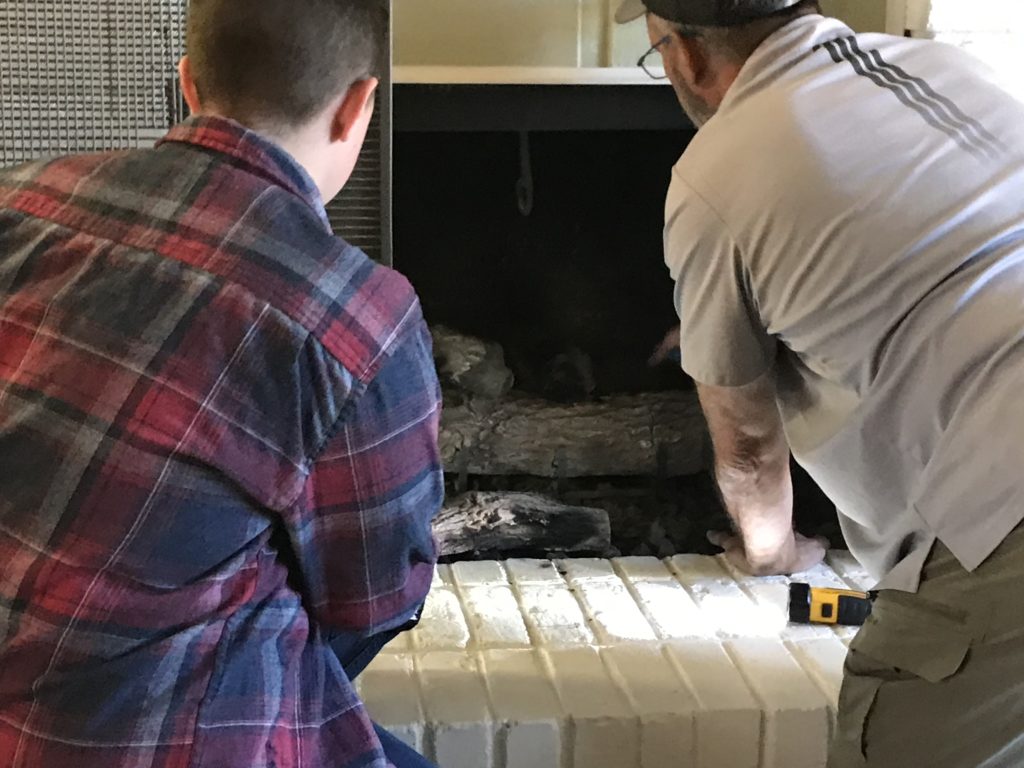
Your inspection not only documents red flags,
your inspector can also help you understand
how to safely operate systems in your new home.
Your home inspector is the second-most important person on your team (other than your agent). A good inspector will think critically to understand the home, not just check boxes on an inspection checklist. The only clients I allow to skip inspections are those who have owned multiple properties in the past. (Yeah yeah, I’m not your mom…but I will be that insistent.) Documenting red flags with your first home is THAT important!
A licensed home inspector will examine the home to check for structural, mechanical, electrical, plumbing, and maintenance issues. Some potential red flags are hidden and hard to see at first. That’s why it is always in your best interest to conduct inspections before you buy. I have a few inspectors that I trust, and I think you will, too.
And… I will remind you to steel your nerves before we get the results! The inspectors that I prefer are top-notch and very picky. They document even the tiny stuff. One time, I watched an inspector’s report leave a client in tears (true story). Knowing as much as we can about any defects with the house helps you make an informed decision.
However, you’ll need to decide if anything that an inspector finds is worth the time and money to fix, or if you’re better off continuing your home search. Your inspector isn’t going to tell you whether you should buy the home or not, he or she is only going to observe what is noticeable to their trained eyes on the day of your inspection.
I will review all the red flags that come up on your home inspection, and you will get to decide if the house is still worth buying.
Ready to find your right-fit home?
I’m a Longmont-based REALTOR known to listen closely, speak honestly, & work tirelessly to ensure my clients’ success. If you are considering a home purchase or sale in Boulder County, let’s see if we would be a good fit for each other.
Think Like a Detective During Home Tours
Trust yourself and think critically when touring homes. Sometimes you’ll walk into a room and feel like something is not right. Be a detective and examine the home carefully. Do you notice any of these things?
- A solitary freshly painted wall could be hiding mildew, mold, or water damage.
- Too many air fresheners or scented candles could be masking a strong odor from pets, smoke, or mold.
- An oddly placed rug or piece of furniture could be hiding damaged floors or carpeting.
- Windows and doors not opening and shutting properly? Could be a sign of foundation settling… Go around and open and close them to double check!
Neighborhood: Stable or Transitioning?
You want to buy into a neighborhood that will retain and grow its value, but how do you know?
Sometimes it’s hard to tell by just looking around, so I can go over current sales activity to give you a more complete picture. Are prices going down or up? How long are properties on the market? Are homes selling for more than the asking price? If it’s a transitional-type neighborhood, make sure it’s an up and coming one and not declining in value.
Sometimes you can get a good deal if a neighborhood is transitioning to a more desirable condition. Either way, taking a longer view can help you spot an opportunity to get in before a neighborhood becomes unattainable or avoid the pitfall of broad declines in neighborhood values.
“We were able to… be at peace knowing that we had a place to live…, and that we were going to work on, but with no regrets.” – Jenn M. Longmont, CO
Does New Construction Mean No Worries?
There are pros and cons to buying new construction. The pros are pretty obvious—you’ll be the first to live there, everything is brand new, and typically features the most modern finishes on the market. The list of “pros” could go on and on!
However, there are some major red flags you should be aware of when it comes with new construction, because new doesn’t always mean better.
Because no one has ever lived in this home to “test” it, there could be a lot of issues that come up well after you move in. No condo building, townhouse unit, or single-family home is perfect, just because it’s new.
In fact, there could be more problems than a “used” home because the kinks haven’t been worked out yet. If no one has ever lived there, even a home inspector can’t find issues because it may take ten showers to figure out there is a crack in the pipe!
If it’s a new condo building, it’s possible for HOA fees rise substantially the first year after delivery, again, because there is no history to “test” the actual costs for property maintenance covered by the HOA.
Personally, I believe it’s best to be the second owner of a property after the previous owners have lived there for a few years and worked out all the kinks. Keep that in the back of your mind.
But if your heart is set on buying new construction, know that you can still bring in an inspector to check the home before you complete the purchase. Builder’s are more likely to push back against this than seller’s of existing homes, but I regularly help clients navigate that objection from builders. On average, my clients save $12,100 on their purchase of new homes, in large part because we bring in well-qualified inspectors and negotiate based on what we find.
*********
All of these are warning signs to make you step back and thoroughly consider if you should proceed with the home no matter how much you love it. Although many things can be fixed, it really depends on your budget and the time and energy you can devote to what needs to be done.
There is no right answer here, but I advise all of my clients to proceed with a home purchase knowing what red flags are present, if any…. You will have a better sense of what you are getting into and you can avoid big surprises down the road.
If you’d like to learn more about my approach to working with clients, head over to my Buyer’s Agent page.
Libby Earthman is a licensed real estate agent and Realtor, based in Longmont, Colorado. She was previously Executive Director at Putah Creek Council and West Coast Director of Development at Trout Unlimited. She currently serves on the Board of Directors for Inclusive Acres – Boulder County.